
Gentle, Preventive and Restorative Dental Care for Children
Children need dental care at every stage of growth, from the appearance of their first tooth through their teenage years. Regular dental check-ups help parents understand their child's oral health, identify dental problems early and establish healthy habits that can last a lifetime.
Dr Nawale's DentoCare provides children's dental care at 11, Atharva Plaza, Stadium Road, Garkheda, Chhatrapati Sambhajinagar, Maharashtra – 431009. Our dental team helps parents understand their child's dental needs and discusses suitable preventive or restorative treatment according to the child's age, dental development and clinical condition.
Whether your child has a toothache, visible cavities, a broken tooth, delayed tooth eruption or needs a routine dental check-up, arrange a consultation to understand the available treatment options.
Looking for a kids dentist near Garkheda, Chhatrapati Sambhajinagar?
- Call: +91 90909 70971
- Email: info@drnawaledentocare.com
- Clinic hours: Monday–Saturday, 10:00 AM–8:00 PM
Why Is Dental Care Important for Children?
Children's teeth and jaws change as they grow. Dental care is important not only for treating cavities but also for monitoring tooth eruption, supporting healthy oral habits and identifying concerns that may need further assessment.
Baby teeth, also called milk teeth, help children chew food, develop speech and maintain space for permanent teeth. If a baby tooth is lost too early because of decay or injury, nearby teeth may shift and affect the space available for the permanent tooth.
Untreated dental decay can cause pain, infection and difficulty eating or sleeping. Regular dental examinations can help identify problems before they become more complicated.
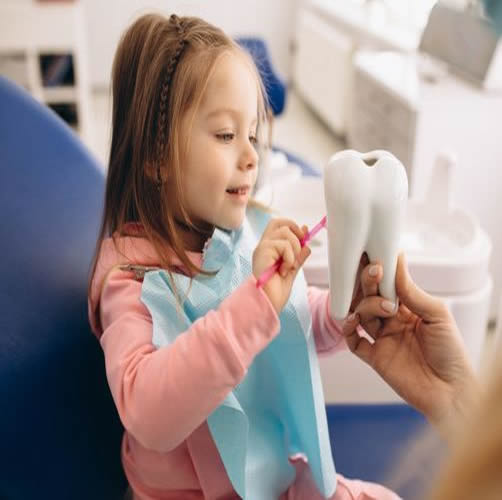
Children's Dental Treatments at Dr Nawale's DentoCare
The recommended treatment depends on the child's symptoms, oral examination, age and dental development. The dentist will explain the findings and discuss appropriate options with the parent or guardian.
1. Children's Dental Check-ups
A dental check-up allows the dentist to examine the teeth, gums and oral development. It may help identify:
- Early signs of tooth decay
- Plaque accumulation and gum concerns
- Problems with milk teeth or permanent teeth
- Delayed or unusual tooth eruption
- Developing tooth alignment or bite concerns
- Oral habits that may affect dental development
The first dental visit is generally recommended when the first tooth appears and no later than the child's first birthday. After that, the dentist can recommend an appropriate recall schedule based on the child's individual needs.
2. Baby Teeth and Cavity Treatment
Cavities can affect both milk teeth and permanent teeth. Early decay may not cause noticeable pain, so parents should not rely on symptoms alone to decide whether a child needs an examination.
Depending on the extent of the decay, treatment may include preventive care, a suitable filling or another restorative procedure. If the decay is deep or the tooth is infected, additional treatment may be necessary.
The dentist will assess the affected tooth and explain the available options before treatment.
3. Preventive Dental Care for Kids
Preventive care focuses on reducing the risk of tooth decay and helping children maintain healthy teeth and gums.
It may include:
- Dental examinations and cavity-risk assessment
- Age-appropriate toothbrushing guidance
- Advice about sugary snacks and drinks
- Professional fluoride treatment when indicated
- Dental sealants for suitable teeth
- Guidance for parents on maintaining oral hygiene at home
Preventive treatment is selected according to the child's dental condition and risk of tooth decay.
4. Fluoride Treatment for Children
Fluoride helps strengthen tooth enamel and can support the prevention and control of dental decay. Depending on the child's age and cavity risk, a dentist may recommend professionally applied fluoride treatment along with regular brushing using an age-appropriate amount of fluoride toothpaste.
Fluoride treatment does not replace daily oral hygiene or regular dental examinations. The dentist will advise whether it is suitable for your child and how frequently it may be needed.
5. Dental Sealants for Children
Dental sealants are protective coatings placed on the grooves of suitable back teeth. These grooves can collect food particles and plaque, making them difficult to clean thoroughly.
Sealants may be recommended for certain primary or permanent molars based on the child's age, tooth condition and risk of decay. The dentist will examine the teeth to determine whether sealants are appropriate.
6. Loose, Retained or Delayed Baby Teeth
Parents may notice a permanent tooth appearing before the corresponding milk tooth has fallen out. They may also have concerns about a baby tooth remaining in place longer than expected.
Tooth eruption varies between children. A dental examination can help determine whether the tooth is following a normal pattern or whether further assessment is required. Avoid attempting to forcefully remove a retained baby tooth at home.
7. Broken or Injured Teeth
Falls, sports and everyday accidents can cause chipped, fractured or displaced teeth. A dental injury should be assessed promptly, even when the child does not report significant pain.
If a permanent tooth is knocked out, seek emergency dental care immediately and do not delay while waiting for symptoms to develop. For a baby tooth, do not attempt to reinsert it; obtain urgent dental advice.
8. Tooth Alignment and Developing Bite Problems
Some children develop crowded teeth, gaps, bite problems or habits such as prolonged thumb-sucking. The dentist can assess tooth alignment and jaw development and advise whether monitoring, habit guidance or an orthodontic consultation may be appropriate.
Not every alignment concern requires immediate treatment. The timing of intervention depends on the child's dental development and clinical findings.
9. Oral Habits and Dental Development
Habits such as thumb-sucking, tongue thrusting, nail-biting and mouth breathing may warrant assessment when persistent or associated with dental or functional concerns.
Parents should discuss ongoing habits with the dentist rather than attempting to correct them through punishment or pressure. Where appropriate, the dentist may recommend further evaluation by another healthcare professional.
How Can Parents Help Maintain Their Child's Oral Health?
Good oral hygiene starts at home. Parents and caregivers play an important role in helping children develop consistent habits.
- Brush twice daily using a soft-bristled, age-appropriate toothbrush and fluoride toothpaste.
- Use a smear or rice-grain-sized amount of fluoride toothpaste for children under three years and a pea-sized amount for children aged three to six years, unless the dentist gives different age-specific advice.
- Supervise or assist brushing until the child can clean their teeth effectively.
- Encourage water and limit frequent sugary snacks and drinks.
- Avoid putting a baby to bed with a bottle containing milk, formula or sweetened drinks.
- Arrange regular dental visits and follow the dentist's recommended recall schedule.
- Contact the dentist if you notice white, brown or dark spots, persistent bad breath, pain, swelling or difficulty eating.
What Should You Expect During Your Child's First Dental Visit?
A first visit is an opportunity for the child and parent to become familiar with the dental clinic and understand the child's oral health needs.
Depending on the child's age and cooperation, the visit may include:
- Discussion with the parent: The dentist asks about symptoms, medical history, eating habits and oral hygiene.
- Dental examination: The teeth, gums and oral development are assessed.
- Further investigations if needed: Dental X-rays are considered only when clinically indicated.
- Explanation of findings: The dentist discusses any concerns in language the parent can understand.
- Personalised care plan: Recommendations may include home care, preventive treatment, restorative treatment or follow-up.
Parents can help by speaking positively about the visit and avoiding frightening language. If a child feels anxious, inform the clinic when booking so the team can discuss how to prepare for the appointment.
Meet the Dentists at Dr Nawale's DentoCare
Children's dental care is planned according to their individual needs. Parents can consult the clinic's dental team for an assessment and guidance on suitable treatment.
Dr. Sheetal Nawale — Children's and Restorative Dental Care
Dr. Sheetal Nawale is a BDS-qualified Dental Surgeon practising at Dr Nawale's DentoCare. Her professional profile lists a Fellowship in Restorative Paediatric Dentistry and states that she has been practising dentistry since 2004.
Her areas of clinical interest include preventive and restorative dental care for children, conservative dentistry, smile designing and orthodontic treatment. For children with cavities or other dental concerns, she focuses on assessment and treatment planning according to the child's dental condition and developmental needs.
View the full profile: Dr. Sheetal Nawale – Dentist in Chhatrapati Sambhajinagar
Dr. Nitin Nawale — Dental Surgeon
Dr. Nitin Nawale is a BDS-qualified Dental Surgeon with a Fellowship in Endodontics. His professional profile lists clinical interests in root canal treatment, dental implants and full-mouth rehabilitation.
He is part of the dental team at Dr Nawale's DentoCare. The appropriate dentist for a child's concern will depend on the examination and treatment required.
View the full profile: Dr. Nitin Nawale – Dentist in Chhatrapati Sambhajinagar
Frequently Asked Questions About Kids Dentistry
1. When should I take my child for the first dental visit?
Arrange the first dental visit when the first tooth appears and no later than the first birthday. Early visits help parents receive guidance on brushing, feeding, cavity prevention and dental development.
2. Who can I consult for kids dentistry in Chhatrapati Sambhajinagar?
You can contact Dr Nawale's DentoCare at 11, Atharva Plaza, Stadium Road, Garkheda, Chhatrapati Sambhajinagar (Aurangabad). The clinic's dental team can assess your child's needs and advise on suitable care.
3. Does my child need treatment for a cavity in a baby tooth?
A cavity in a baby tooth should be assessed by a dentist. Baby teeth help with chewing, speech and maintaining space for permanent teeth. The dentist will recommend treatment according to the depth of decay, symptoms and the tooth's expected lifespan.
4. Are baby teeth really important if they will eventually fall out?
Yes. Baby teeth support chewing, speech and the normal development of the mouth. They also help maintain space for permanent teeth. Decay or early tooth loss may lead to pain, infection or other dental concerns.
5. What are the signs that my child may have a cavity?
Possible signs include white, brown or dark spots, sensitivity to sweet or cold foods, toothache, visible holes or food getting trapped in a tooth. Some cavities have no obvious symptoms, so regular check-ups are important.
6. Is fluoride treatment safe for children?
Professional fluoride treatment can help prevent tooth decay when recommended and applied appropriately. The dentist considers the child's age, cavity risk and fluoride exposure before recommending treatment. Parents should follow instructions about toothpaste quantity and supervise brushing.
7. What are dental sealants, and does every child need them?
Sealants are protective coatings applied to suitable tooth grooves to help prevent decay. They may be useful for certain back teeth, but not every child or tooth requires them. A dental examination helps determine suitability.
8. How often should children visit the dentist?
Many children benefit from dental check-ups approximately every six months, but the ideal interval varies. Children with a higher risk of decay or existing dental problems may need more frequent visits as advised by the dentist.
9. What should I do if my child has a toothache?
Arrange a dental assessment promptly. Facial swelling, fever with dental symptoms, difficulty swallowing or breathing, or rapidly worsening symptoms require urgent medical or dental attention. Do not place aspirin directly on a child's tooth or gums.
10. What should I do if my child breaks a tooth?
Contact a dentist promptly and explain how the injury occurred. If there is significant bleeding, severe pain, facial injury or a suspected jaw injury, seek urgent care. A knocked-out permanent tooth is a dental emergency.
11. What if my child's permanent tooth is coming in behind a baby tooth?
This can happen during the transition from baby teeth to permanent teeth. The dentist can examine the tooth position and determine whether monitoring or treatment is needed. Do not pull the baby tooth forcefully at home.
12. Can thumb-sucking affect my child's teeth?
Persistent thumb-sucking may affect tooth position or bite development in some children. The effect depends on factors such as the child's age, frequency and intensity of the habit. Ask the dentist for age-appropriate guidance if the habit continues.
13. Will my child need dental X-rays?
Not every child needs dental X-rays at every visit. The dentist recommends them only when they are clinically useful for assessing a particular concern, taking account of the child's age, symptoms and dental history.
14. How can I help my child feel comfortable at the dentist?
Explain the visit in simple, positive language, avoid threatening statements about dental treatment and let the dental team know if your child is anxious. A calm approach and age-appropriate explanations can help children become more familiar with dental care.
15. Does Dr Nawale's DentoCare provide children's cavity treatment?
The clinic's kids dentistry service page describes preventive and restorative care for children's dental concerns. The dentist will confirm the suitable treatment after examining the affected tooth and discussing the options with the parent.
16. How do I book a kids dental appointment at Dr Nawale's DentoCare?
Call +91 90909 70971 or email info@drnawaledentocare.com to enquire about an appointment. The clinic is located at 111, Atharva Plaza, Stadium Road, Garkheda, Chhatrapati Sambhajinagar, Maharashtra – 431009. Opening hours listed by the clinic are Monday–Saturday, 10:00 AM–8:00 PM.
Book a Kids Dental Appointment in Chhatrapati Sambhajinagar
Healthy dental habits developed during childhood can support oral health as children grow. If your child has tooth pain, cavities, a broken tooth, concerns about tooth eruption or needs a routine dental examination, arrange a consultation with the team at Dr Nawale's DentoCare.
Dr Nawale's DentoCare
11, Atharva Plaza, Stadium Road, Garkheda, Chhatrapati Sambhajinagar, Maharashtra – 431009
Phone: +91 90909 70971
Email: info@drnawaledentocare.com
Hours: Monday–Saturday, 10:00 AM–8:00 PM