
Missing several teeth or all your natural teeth can affect chewing, speech and confidence when smiling. Dentures are removable dental appliances designed to replace missing teeth and help restore everyday oral function.
At Dr Nawale's DentoCare, located in Garkheda, Chhatrapati Sambhajinagar (formerly Aurangabad), patients can consult a dentist to understand suitable tooth-replacement options. Depending on your oral health and the number of missing teeth, options may include complete dentures, partial dentures or implant-supported dentures.
The appropriate denture depends on the condition of your gums and jawbone, the remaining teeth, your bite, comfort requirements and budget. A dental examination helps determine which option is suitable for your needs.
If you are looking for dentures treatment in Chhatrapati Sambhajinagar, contact Dr Nawale's DentoCare to arrange a consultation.
Clinic details
- Clinic: Dr Nawale's DentoCare
- Address: 11, Atharva Plaza, Stadium Road, Garkheda, Chhatrapati Sambhajinagar, Maharashtra – 431009
- Phone: +91 90909 70971
- Email: info@drnawaledentocare.com
- Hours: Monday–Saturday, 10:00 AM–8:00 PM
What Are Dentures?
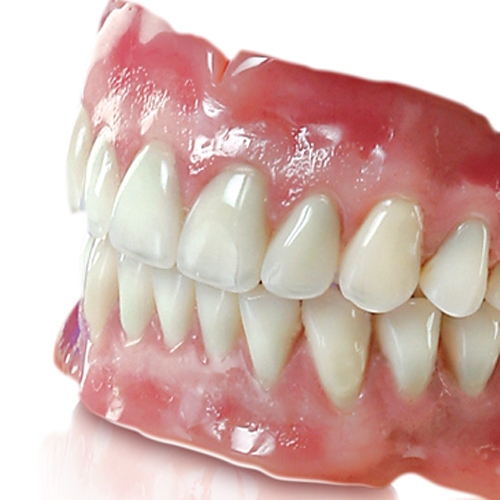
Dentures are custom-made dental appliances used to replace missing teeth. They can be designed for the upper jaw, lower jaw or both, depending on how many teeth need replacement.
Dentures may help improve chewing, speech and the appearance of a smile. They can also provide support to the lips and cheeks when teeth have been lost, although the outcome varies from person to person.
Dentures are generally removable, allowing the wearer to take them out for cleaning. Some dentures are designed to attach to dental implants for additional retention and stability.
Dentures do not stop all changes in the jawbone or gums following tooth loss. Over time, changes in the mouth may affect their fit, making dental reviews and adjustments important.
Types of Dentures Available
The type of denture recommended depends on whether you have lost some teeth or all teeth in an arch, and whether the remaining teeth and oral tissues are suitable to support a denture.
1. Complete Dentures
Complete dentures replace all the natural teeth in the upper jaw, lower jaw or both.
They may be suitable for people who have lost all teeth in an arch. Complete dentures rest on the oral tissues and are designed to fit the shape of the gums and supporting structures.
The fit and stability of lower dentures can differ from those of upper dentures because of differences in anatomy, tongue movement and the amount of supporting tissue.
2. Partial Dentures
Partial dentures replace some missing teeth when other natural teeth remain.
Depending on the design, a partial denture may use clasps or other components to help retain it. The remaining teeth and gums need to be assessed to determine whether they can support the appliance.
Partial dentures can be made using different materials, including acrylic or a metal framework, depending on the case and treatment plan.
3. Flexible Dentures
Flexible dentures use flexible denture-base materials and may be considered for selected partial-denture cases.
Their suitability depends on the number and location of missing teeth, the condition of the remaining teeth and the required support. Flexible dentures are not necessarily the best choice for every patient, and their limitations should be discussed before treatment.
4. Implant-Supported Dentures
Implant-supported dentures use dental implants placed in the jawbone to help retain or support the denture.
Depending on the treatment design, the denture may be removable by the patient or fixed in place. Implant treatment requires assessment of bone availability, gum health, medical history and other factors.
Implant-supported dentures may provide additional retention for selected patients, but they involve surgical treatment, maintenance requirements and additional costs. They are not suitable for everyone.
Who May Need Dentures?
A dentist may discuss dentures if you:
- Have lost several teeth or all teeth in the upper or lower jaw
- Have difficulty chewing because of missing teeth
- Want to replace missing teeth with a removable option
- Have an existing denture that has become loose or uncomfortable
- Need a replacement for a damaged, worn or poorly fitting denture
- Want to compare conventional dentures with implant-supported options
Tooth replacement should be planned after assessing the remaining teeth, gums and supporting bone. In some cases, a bridge or dental implant may be an alternative to a removable denture.
What Are the Benefits of Dentures?
Dentures may offer several benefits, depending on the type of appliance and the individual's oral condition.
- Replacement of missing teeth: Helps fill spaces left by lost teeth.
- Chewing function: Can improve the ability to chew a wider variety of foods, although adaptation may be needed.
- Speech support: May help with pronunciation when missing teeth affect speech.
- Smile appearance: Replaces visible missing teeth and can support facial appearance.
- Removable design: Conventional dentures can be removed for cleaning.
- Treatment choice: Different designs and materials may suit different clinical needs and budgets.
The amount of improvement varies. Dentures may require adjustments, and some people need time and practice to adapt to speaking and eating with them.
What Is the Denture Fitting Procedure?
Denture treatment is customized to each patient. The process may involve the following stages.
Step 1: Dental Examination and Consultation
The dentist examines your mouth, gums, remaining teeth and supporting tissues. Your medical and dental history, expectations, chewing needs and existing dentures are also considered.
If tooth extraction, gum treatment or other procedures are needed, these may need to be completed or planned before the final denture is made.
Step 2: Treatment Planning and Impressions
The dentist determines the type of denture that may suit your oral condition. Impressions or digital records may be taken to capture the shape of your mouth for fabrication.
The treatment plan may also consider the appearance, size, shape and shade of the replacement teeth.
Step 3: Bite Registration and Try-In
Depending on the denture type, the dentist or dental laboratory records how your upper and lower jaws meet. A trial arrangement may be used to evaluate the appearance, tooth position and bite before the final denture is completed.
Step 4: Denture Fabrication
The denture is manufactured according to the treatment plan and records. The material and design depend on the type of denture selected.
Step 5: Fitting and Adjustments
At the fitting appointment, the dentist checks the fit, retention, bite and comfort. Some adjustments may be needed, particularly during the initial adaptation period.
Step 6: Follow-Up and Maintenance
Follow-up visits help assess sore spots, looseness, chewing comfort and any other concerns. The dentist may recommend adjustments or relining if the fit changes over time.
How long does denture treatment take? The timeline depends on the type of denture, the number of appointments, laboratory work and whether extractions or other dental procedures are required. Your dentist can provide an estimated schedule after examination.
Are Dentures Comfortable?
New dentures may feel unfamiliar at first. You may need time to adapt to speaking and eating with them. Some patients experience minor sore spots or increased saliva initially, and adjustment appointments may be needed.
Dentures should not cause persistent pain or significant injury to the gums. Contact your dentist if they rub, repeatedly cause ulcers, move excessively or make chewing difficult.
Do not attempt to reshape or repair your denture yourself, as this can affect its fit and function.
How Long Do Dentures Last?
Dentures do not have one fixed lifespan. Their durability and fit depend on the material, design, daily care, wear and changes in the gums and jawbone.
Even when a denture remains intact, the supporting tissues may change over time, making the appliance loose or uncomfortable. Your dentist may recommend an adjustment, reline, repair or replacement depending on its condition.
Regular dental reviews are important for checking the denture and the health of your oral tissues.
How to Care for Your Dentures
Good denture care helps maintain the appliance and protect your oral tissues.
- Clean your dentures daily using a denture-cleaning product and a suitable brush.
- Follow the cleaning instructions for your specific denture material.
- Handle dentures carefully over a folded towel or a basin of water to reduce the risk of breakage if dropped.
- Remove removable dentures at night unless your dentist has advised otherwise for your specific situation.
- Keep dentures in the storage solution or water recommended for their material when they are not being worn.
- Clean your gums, tongue and any remaining natural teeth every day.
- Avoid using hot or boiling water, which may distort some dentures.
- Do not use household bleach or abrasive cleaners unless specifically advised by your dentist.
- Arrange dental reviews and seek advice if your denture becomes loose, damaged or painful.
Denture adhesives may help selected patients, but they should not be used to compensate for a persistently poor fit. Ask your dentist whether an adhesive is appropriate.
Dentures Cost in Chhatrapati Sambhajinagar (Aurangabad)
The cost of dentures depends on the type of denture, material, design, number of teeth being replaced and the complexity of the case.
Other factors that may affect the total cost include:
- Complete or partial denture requirements
- Acrylic, metal-framework or other material choices
- Whether extractions or gum treatment are needed
- Impressions, diagnostic procedures and laboratory work
- Repairs, adjustments or relining
- Whether dental implants and implant-supported components are involved
For the latest denture treatment charges, call Dr Nawale's DentoCare at +91 90909 70971. A personalized estimate can be discussed after an examination and treatment plan.
Dentures vs Dental Implants: Which Is Better?
Dentures and dental implants are different tooth-replacement options. The appropriate choice depends on your oral health, clinical suitability, preferences and budget.
Conventional Dentures
- Usually removable
- May be suitable for replacing several or all missing teeth
- Do not require implant surgery
- May need adjustments as the shape of the gums and jawbone changes
- Require daily cleaning and periodic dental review
Dental Implants
- Require surgical placement of implants in the jawbone
- Can support individual crowns, bridges or selected denture designs
- May provide additional retention and stability for suitable patients
- Require assessment of bone, gum health and general health
- Involve a different treatment timeline, maintenance needs and cost
Neither option is automatically best for everyone. Your dentist can explain the advantages, limitations, risks and expected maintenance of each option.
Meet the Dentists at Dr Nawale's DentoCare
Denture treatment requires assessment of the oral tissues, remaining teeth, bite and individual needs. The treatment plan should account for comfort, function, appearance, cleaning requirements and follow-up care.
Dr. Nitin Nawale
BDS | Dental Surgeon | Fellowship in Endodontics
Dr. Nitin Nawale practises at Dr Nawale's DentoCare in Garkheda, Chhatrapati Sambhajinagar. His published clinic profile lists more than 22 years of clinical experience, with clinical interests in endodontics, root canal treatment, dental implants and full-mouth rehabilitation.
He completed his BDS at Government Dental College & Hospital, Aurangabad, and pursued a Fellowship in Endodontics at SMBT College, Sangamner.
His dental background is relevant when a patient considering dentures also needs assessment of remaining teeth or other dental conditions. The most appropriate treatment and treating clinician depend on the individual case.
View Dr. Nitin Nawale's profile:
https://drnawaledentocare.com/team-member/dr-nitin-nawale-dentist-aurangabad/
Dr. Sheetal Nawale
BDS | Dental Surgeon | Fellowship in Restorative Paediatric Dentistry
Dr. Sheetal Nawale is a dental surgeon at Dr Nawale's DentoCare. Her published profile lists a Fellowship in Restorative Paediatric Dentistry and clinical interests in smile designing, orthodontic treatment, conservative dentistry, restorative dentistry and pediatric dental care.
She completed her BDS at Government Dental College & Hospital, Aurangabad, and pursued fellowship training at YMT Dental College & Hospital, Kharghar, Navi Mumbai. Her profile states that she has been practising dentistry since 2004.
Her restorative dentistry background is relevant to the assessment of remaining teeth and oral health as part of a broader dental treatment plan. Contact the clinic to confirm which dentist is appropriate for your denture consultation.
View Dr. Sheetal Nawale's profile:
https://drnawaledentocare.com/team-member/dr-sheetal-nawale-dentist-aurangabad/
Why Consult Dr Nawale's DentoCare for Denture Treatment?
When choosing a denture provider, it is important to understand the available options, expected adjustment period, care requirements and ongoing maintenance.
At Dr Nawale's DentoCare, patients can enquire about:
- Assessment of missing teeth and oral health
- Complete and partial denture options
- Discussion of available materials and designs
- Evaluation of existing dentures that feel loose or uncomfortable
- Guidance on cleaning, maintenance and follow-up
- Comparison of conventional dentures and other tooth-replacement options where appropriate
The clinic is conveniently located at Atharva Plaza, Stadium Road, Garkheda, Chhatrapati Sambhajinagar (Aurangabad), Maharashtra.
Frequently Asked Questions About Dentures Treatment
1. Where can I get dentures treatment in Chhatrapati Sambhajinagar?
You can contact Dr Nawale's DentoCare at 11, Atharva Plaza, Stadium Road, Garkheda, Chhatrapati Sambhajinagar, Maharashtra – 431009. Call +91 90909 70971 to enquire about a consultation.
2. What are dentures used for?
Dentures replace missing teeth and may help restore chewing, speech and the appearance of a smile. They can replace some or all teeth, depending on the design.
3. What is the difference between complete and partial dentures?
Complete dentures replace all teeth in an upper or lower arch. Partial dentures replace some missing teeth when other natural teeth remain.
4. Are dentures removable?
Conventional complete and partial dentures are generally removable for cleaning. Implant-supported dentures may be removable or fixed, depending on their design.
5. How much do dentures cost in Aurangabad?
The cost depends on the denture type, material, design and additional treatment required. The clinic has published an indicative range of ₹4,700–₹58,000; contact the clinic to confirm current prices and what is included.
6. How long does it take to get dentures?
The timeline varies according to the denture design, number of appointments, laboratory work and any required extractions or other treatment. Your dentist can estimate the schedule after examination.
7. Are new dentures uncomfortable?
New dentures may feel unfamiliar at first, and an adaptation period is common. Follow-up adjustments can help address pressure points. Persistent pain, sores or excessive movement should be assessed by your dentist.
8. Can I eat normally with dentures?
Many people learn to eat a wider variety of foods as they adapt to their dentures. Start with softer foods if advised, chew carefully and follow your dentist's guidance. Your ability to chew will depend on the denture's fit and design.
9. How often should dentures be checked?
Have your dentures and oral tissues checked at intervals recommended by your dentist. Arrange an earlier appointment if the denture becomes loose, painful, damaged or difficult to use.
10. How long do dentures last?
Their lifespan varies according to the material, wear, care and changes in the gums and jawbone. Dentures may need adjustments, relining, repairs or replacement over time.
11. Can dentures be used if I have some natural teeth left?
Yes. Partial dentures are designed to replace missing teeth when suitable natural teeth remain. The dentist will assess the condition of those teeth and determine whether they can support the proposed denture.
12. Are flexible dentures better than acrylic dentures?
Not necessarily. Flexible and acrylic dentures have different properties and limitations. The most suitable option depends on the missing teeth, remaining teeth, support required and the design of the appliance.
13. Can dentures be supported by dental implants?
Yes. In selected cases, implants can help retain or support a denture. Implant treatment requires a separate assessment of bone, gums, medical history, treatment time and cost.
14. Should I remove my dentures at night?
Many patients are advised to remove conventional removable dentures at night to allow the oral tissues to rest. Follow your dentist's instructions, particularly if you have a specific clinical need or an implant-supported design.
15. What should I do if my dentures become loose?
Arrange a dental appointment to assess the fit. Changes in the gums and jawbone may affect denture retention. Do not attempt to reshape the appliance or rely on adhesive to solve a persistent fit problem without professional advice.
16. How can I book a denture consultation at Dr Nawale's DentoCare?
Call +91 90909 70971 or email info@drnawaledentocare.com. The clinic is located at 11, Atharva Plaza, Stadium Road, Garkheda, Chhatrapati Sambhajinagar, Maharashtra – 431009.
Book Your Denture Consultation
Missing teeth can affect chewing, speech and daily comfort. The right replacement depends on your oral health, the number of missing teeth and the treatment options suitable for you.
If you are looking for complete dentures, partial dentures or advice about replacing missing teeth in Chhatrapati Sambhajinagar (Aurangabad), contact Dr Nawale's DentoCare to arrange a consultation.
Dr Nawale's DentoCare
11, Atharva Plaza, Stadium Road, Garkheda, Chhatrapati Sambhajinagar, Maharashtra – 431009
Phone: +91 90909 70971
Email: info@drnawaledentocare.com
Hours: Monday–Saturday, 10:00 AM–8:00 PM
HOW CAN WE HELP?
Schedule Your Consultation
Booking an appointment with our team is convenient and easy.